As the innovation in the aviation industry continues at a rapid pace, the corresponding changes in infrastructure solutions carried in the wake of such innovation is becoming more evident. Historically, the storage and maintenance of aircraft have relied on the use of steel and concrete civil engineering structures. Developing aviation facilities are diverting from the use of civil engineering structures and fabric-based structures that offer more flexibility and quicker and cheaper solutions. Heavy construction is no longer a necessity in the construction of aircraft hangars. Both the commercial and defense sectors are embracing advanced fabric structures as viable aviation solutions.
At Superspan India, aviation infrastructure solutions are advanced, and innovative, addressing the needs for fast, light, and durable hangar systems. Whether the project is a site with a private airfield or a large industrial aviation site, fabric structures are shaping the future of aircraft storage.
The Need for Modern Aircraft Hangars
Airports, aviation maintenance companies, defense organizations, and private aircraft owners need shelter solutions to protect aircraft from the elements. A critical shelter solution for aircraft is an aircraft hangar that provides:
- Aircraft protection from the elements.
- Efficiency in operations.
- Safe storage of aviation equipment.
- Maintenance and servicing of aircraft.
While newer alternatives such as tensile hangar structure systems provide the flexibility and lower materials costs that traditional hangars lack, long construction time is also a challenge with traditional hangars.
What is a Tensile Hangar Structure?
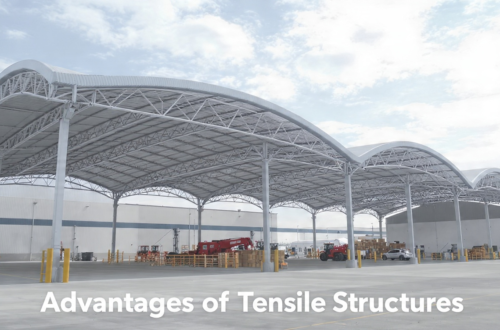
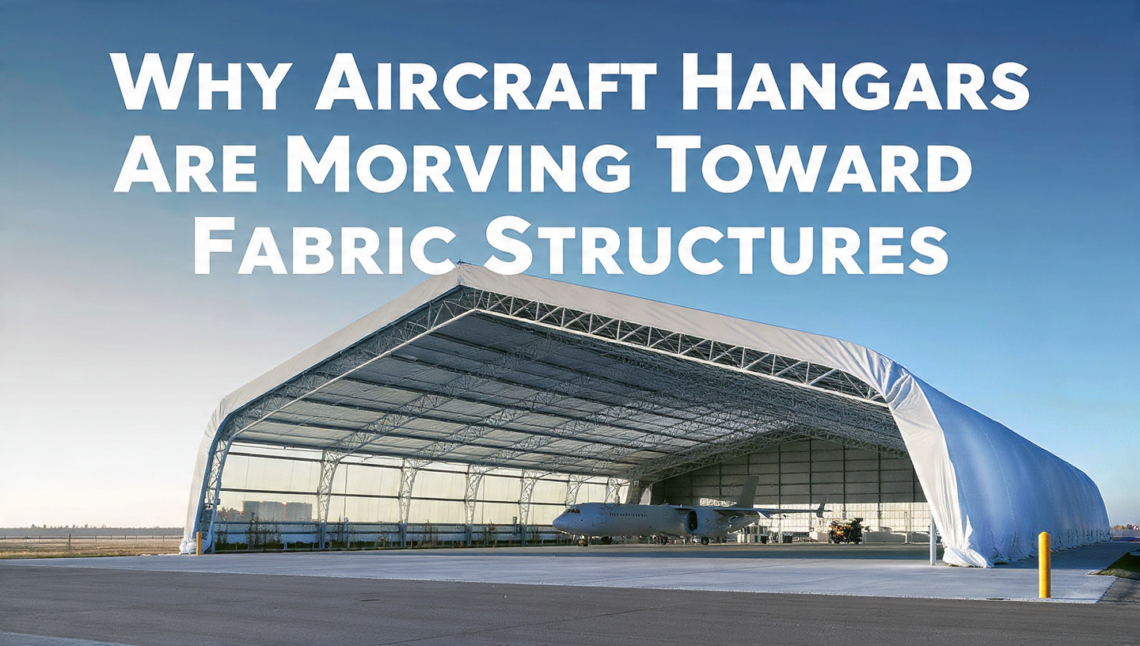
A tensile hangar structure is a shelter system constructed using fabric and supported on a steel framework or a cable structure that is held in tension. The high-strength membranes employed in these hangars are capable of withstanding the rigors of flight and endow a hangar with the toughness to last a long period while keeping a lightweight construction.
Fabric hangars are distinct from other building types in that they use tensioned architectural fabric to create flexible covered spaces without the requirement for interior support columns. The interior supports are reduced to allow free movement of tools and equipment along the length of the fabric hanger.
Today, tensioned fabric is the material of choice for:
- Aircraft hangars
- Maintenance bays
- Lodging helicopter
- Mobile Air Force Units
- Military fabric constructions
Speed of Construction
Fabric structures have a quicker rate of construction than typical hangars, which can take many months or years to finish. Temporary fabric hangars can be set up in just a few days, making them a great option when there is a need for emergency or temporary aviation infrastructure.
Projects that can take advantage of the rapid fabrication of fabric hangars include:
- Emergency Air Operations
- Temporary extensions of air transport facilities
- Military and defense programs
- Sites with remote operations
- Fabric structures allow agencies to satisfy their operational requirements with reduced impact on aviation operations.
Financial Flexibility
One of the best advantages of fabric hangars is the affordable cost. Hangars are costly to build the traditional way, requiring plenty of concrete, steel and building labour.
In contrast, fabric hangars use fewer raw materials, which significantly reduces the cost of the project. Fabric hangars allow agencies to construct big structures without the cost of permanent constructions.
In many cases, a temporary fabric hangar meets agency requirements better than building permanent structures when the agency’s operational needs are temporary or seasonal.
Space Needs for Safely Storing Equipment
Aircraft require wide, open spaces for safe storage and movement during maintenance and repairs. Fabric structures create large clear-span interiors that are column- and support-free. All of this design flexibility can allow a modern aircraft hangar to store safe keeping of:
- Large Commercial Aircraft
- Helicopters
- Private Jet Aircraft
- Maintenance Vehicles
- Various Aviation Equipment
When there are no obstacles that block movement, efficiency during operations is enhanced. Simplicity in the movement of aircraft is improved with the removal of internal barriers.
Resistance to Weather and Other Elements
Modern tensile hangar structure systems are built to withstand severe environmental factors. A quick look at some high-quality tensile fabrics shows a considerable level of protection against:
- All levels of UV exposure
- Intense precipitation
- Wind loads
- All Weather Temperature Fluctuations
- Structural integrity of the design
At Superspan India, aviation fabric structures are designed with high-quality fabrics that are resilient for protection in severe industrial and aviation environments. These structures need minimal maintenance versus traditional buildings.
Flexible for More Use
Operations in the aviation industry are subject to frequent changes and can be adapted to period of high operational demand. Fabric hangars can be designed in a way that more flexibility is available than is provided by rigid, thick, solid, heavy, high-strength cement hangars. Fabric structures can be designed to be extended in the main direction, relocated in the main direction, and/or modified in the main direction.
This high level of flexibility is most useful when designing the temporary structures for:
- Military Airbases
- Relief Operations
- Disaster Recovery and Response Air Operations
- Temporary Airports
- Aircraft Maintenance Facilities
Continual changes in the design of airport infrastructure is a strong argument in favor of the use of flexible fabric structures.
Energy and Light Efficiency
Today more modern hangars use fabric structures that are designed with the safe use of one type of translucent fabric. Its daylight fabric minimizes the use of interior artificial light at all.
For aviation facilities, benefits of using expandable hangars may include the following:
- Lower energy costs
- Better visibility in the hangar
- Reduced costs of operations
- Improved working conditions for maintenance employees
Modern designs for aviation facilities use energy-efficient elements.
Why Superspan India?
Durability, precision in engineering, and effective performance are central elements to Superspan India’s aviation infrastructures. The company’s hangers for modern aircraft offer operators dependable hangar solutions at a value price.
Superspan India’s offerings for the aviation infrastructure include tensile designs for hangars and adaptable aircraft shelter systems and temporary hangars.
Conclusion
The benefits offered by the modern fabric infrastructure used in aviation are affordability, durability, flexibility, and a short timeframe for deployment. Fabric infrastructures offer aircraft hangars much more than traditional methods of construction.
For any field of aviation, commercial services, defense, or temporary support of actions, these structures are flexible, effective solutions. Fabric infrastructures of temporary shelters are the best option for aviation construction of the modern era.