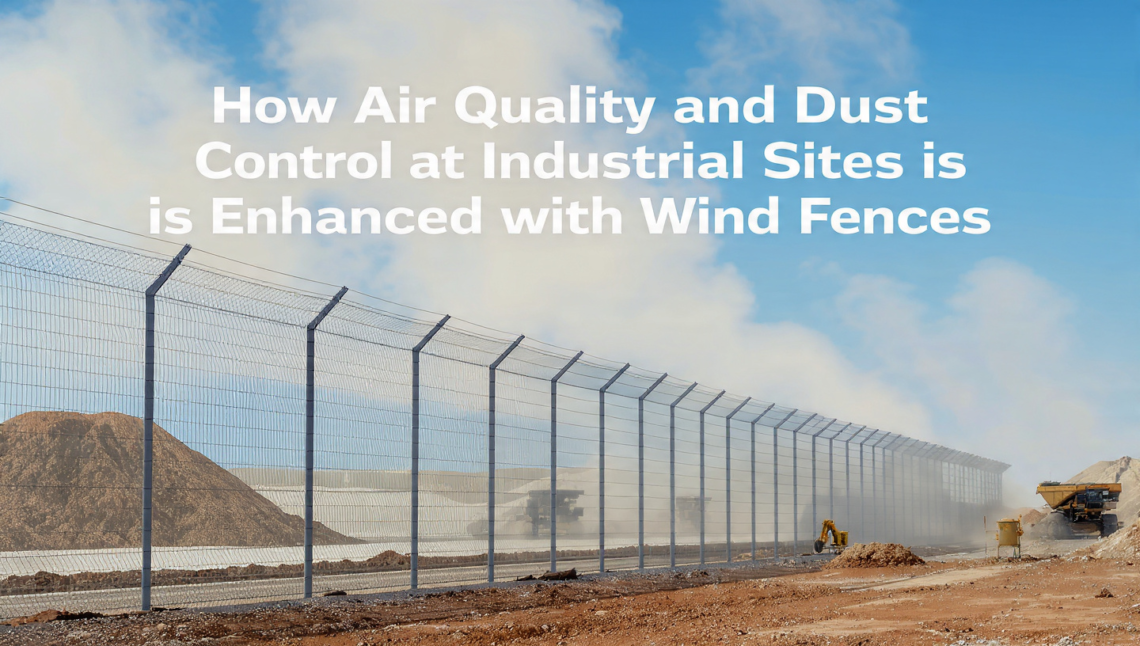
Dust is a common cause of concern for industrial activities such as mining, power generation, port operations, construction sites, and bulk material handling. In today’s world, the movement of particulate dust across a wide area is a challenge for operational safety, community safety, the protection of industrial equipment, and environmental compliance. In this scenario, the need for wind fencing has become crucial while planning modern industrial infrastructures. At Superspan India, the advancement of wind fencing systems is helping to control the spread of dust, improve air quality, and provide safer workplaces. Wind fencing systems control the speed of the wind while decreasing the concentration of airborne dust particles. Therefore, these systems have operational and environmental advantages for a long time.
Wind Fencing: What is it?
Wind fencing is a dust control measure that is a customized barrier system engineered to be installed around the periphery of dust generating open areas of an industry. Wind fencing is used around coal yards, stockpiles, conveyor systems, mining zones, cement plants, and ports to reduce the speed of the wind and to contain dust.
Modern wind fencing unlike solid walls, are constructed with panels having a controlled degree of openings to allow air movement through the barrier. This design, in turn, may reduce wind turbulence and edge effects and dust particles minimizing the lifting of dust. Industries prefer wind fencing mainly due to the cost effective, touch friendly, and eco-friendly methods of dust suppression.
How Wind Fencing is Able to Control Dust
Industries invest in dust control fencing mainly due to the fact that wind control fencing is able to reduce wind speeds to a large extent. When the wind is strong, and the wind moves directly over bulk exposed materials, in most cases, coal, sand, fly ash, and other minerals, the materials become dust and get airborne easily.
A wind barrier system works by:
- Breaking the force of the wind
- Reducing the air pressure on your stockpiles
- Keeping dust from getting into the air
- Controlling the dispersion of dust within the industrial premises
Studies show that wind fencing systems with good design can achieve a wind speed reduction of about 60–80% in protected locations. This plays a tremendous role in reducing the dust pollution of the site, leading to an improvement in air quality.
Poor air quality can create a number of operational and environmental challenges. High exposure to dust can result in respiratory health issues for employees, reduced visibility, damage to equipment, and create issues of noncompliance with pollution managing authorities. Wind fencing systems create clean and healthy workspaces by lowering the dust in the air. There are many advantages of clean air including:
Improved Safety of Workers
Continually working in an environment with high levels of dust can result in respiratory health challenge for industrial workers. Dust Control Fencing results in a significant reduction in the levels of airborne contaminants that are in the workplace, therefore even optimizing the safety of workers.
Reduced Impact to the Environment
The dust generated by industrial works can extend to surrounding residential and commercial environments. A professionally installed wind barrier system will contain the dust to the work site, therefore optimizing the protection of the environment.
Improved Efficiency of Operations
Dust that collects on machinery, conveyor belts, and equipment can result in a lot of maintenance and operational downtimes. Wind fencing reduces dust control and therefore optimizes the operations of the industry.
Meeting Regulatory Requirements
Wind fencing reduces dust management and as a result helps in the improvement of the overall environmental impacts therefore compliance with the pollution control is optimized.
Application Areas for Wind Fencing
Across multiple industries, wind fencing has been adopted for its efficiency and reliability. These industries include:
- Thermal Power
- Cement Manufacturing
- Mining
- Iron and Steel Manufacturing
- Ports and Shipping
- Construction Material Storage Yards
- Coal Handling
Dust control fencing offers a unique solution for preserving infrastructure and protecting the health and safety of the surrounding community.
Benefits of the Latest Wind Barrier Systems
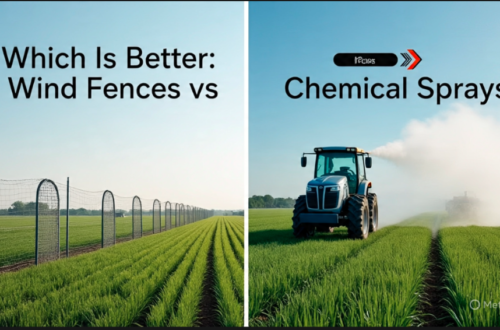
The modernization of wind barrier systems has meant that they are infinitely more durable and efficient, requiring considerably less maintenance. Even compared to conventional dust suppression methods such as spraying water, wind fencing is a far more sustainable and economical option.
Main Benefits include:
- Extended Life Span
- Corrosion Resistant
- Less Water Required
- Less Maintenance
- Enhances the appearance of the site
- More resilient to high wind loads
At Superspan India, we utilize the most advanced and highest quality materials to create wind fencing solutions for the harsh conditions found in industrial settings and the variability of ambient environments.
Selecting the Optimal Wind Fencing
There are innumerable dimensions to how effective wind fencing can be. Some of these dimensions include the height of the fencing, design of the panels, wind direction, site layout, and quality of materials used. Because each industrial setting is unique, the only way to achieve an effective dust control measure is through a customized solution. In order to achieve desired success with wind barrier arrangements, proper control measures must be employed. Initiatives to engage with an experienced control firm must be the priority of the client if they are to achieve the desired result, and such firms must have sound knowledge of aerodynamic principles, as well as related factors of industrial dust management.
Conclusion
In an age where environmental commitment is increasingly needed and workplace safety is front and center, wind fencing is a solution to the air quality issue related to dust. For industries that seek to protect both their employees and surrounding communities, the modern dust control fencing system is focused on both operational and environmental gains.
Meeting the environmental regulation requirements and improving a company’s production capability is a significant gain that a high-quality wind barrier system offers. Superspan India offers wind fencing solutions that meet the rigorous demands of industry. For clients that need a wind fencing solution that delivers on quality, Superspan India has a durable system that meets industrial requirements.
The creation of a industrial environment that promotes air safety and quality through dust control is now a worthy investment to allow the industry to progress with a sustainable and protective approach.