One of the biggest problems on building sites, mines, industrial zones and big infrastructure projects is dust pollution. As rules about the environment get stricter, businesses are moving away from short-term ways to control dust and towards designed, long-lasting solutions. Today, dust control fencing and wind fencing are two of the choices that people most often compare.
Both work to lower the number of particles in the air, but they do so in different ways, with different materials and in different ways based on the conditions at the site. This article breaks down what each choice has to offer and explains why modern construction sites are choosing dust control fence more and more, especially from reputable companies like Super Span India.
What is a Wind Fence
A wind fence is a wall that slows down the speed of the wind. It slows down the wind, which stops dust from moving from stockpiles, open fields, or storage places. Most wind screens are made of mesh fabrics or panels with holes in them that let air flow through them.
They work best in places where particles moving in the wind are a big problem, like open mines, coal yards, cement plants and large storage facilities. The goal is not to completely stop dust, but to weaken the wind that moves it over long distances.
What is a Dust Fence
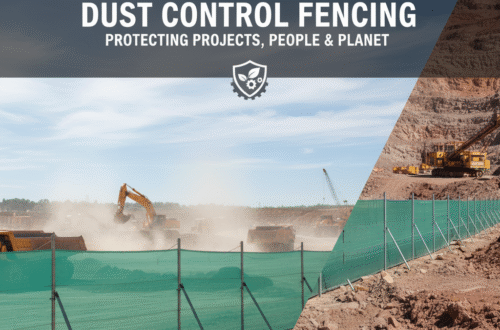
A dust barrier, which is also called a dust control fence, is meant to stop or limit dust where it starts. While wind fences’ main job is to slow down the wind, dust fences’ main job is to keep dust from leaving the place.
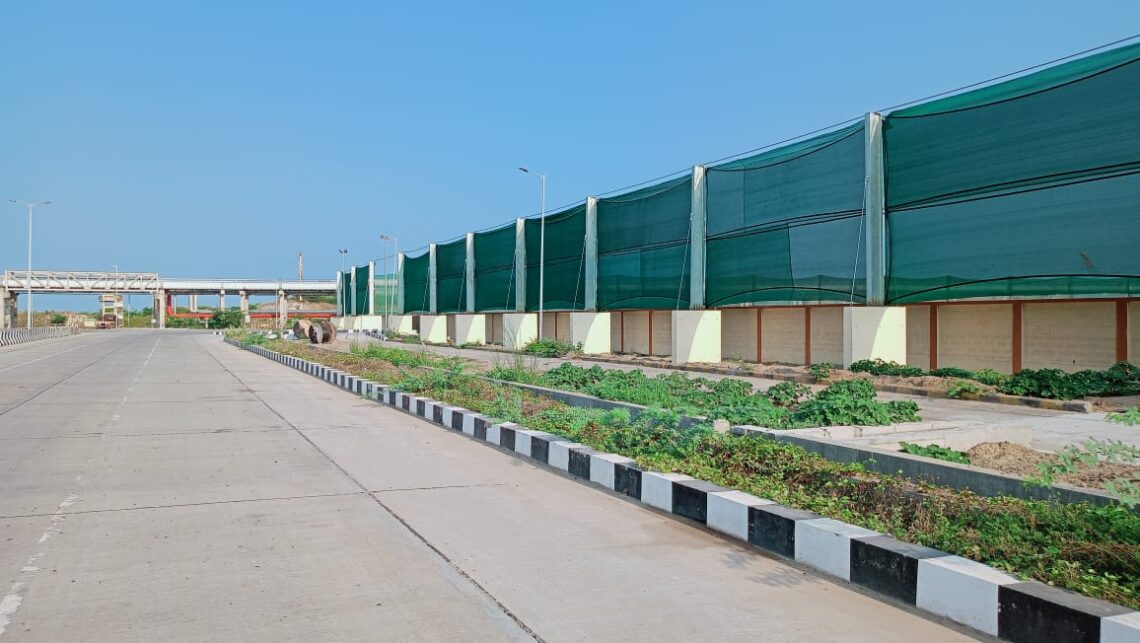
A dust fence is made of special high-density cloth, UV-resistant mesh, or engineered barrier materials that stick together to make a strong wall. These are often put in places where there is a lot of dust, like building sites, road work zones, mines and factories.
A lot of modern projects also use dust fences to keep stone dust barriers from getting in the way when they are being crushed, screened, or dug up.
Wind Fence Vs Dust Fence Material
The main difference between wind fences and dust fences is the type of material they are made of and why they are designed that way.
Wind Fence Material
Wind screens are made of mesh that lets some air flow through it. High strength weaving mesh, perforated steel sheets, polymer or HDPE mesh and galvanised steel posts are some of the materials that are often used.
Keeping air moving in a controlled way is meant to lower wind energy.
Dust Fence Material
Tighter, denser materials are used in dust fencing to stop the flow of dust. Some common materials are high-density polymer fabrics, UV-resistant PVC-coated mesh, designed dust barrier sheets that don’t let air through and steel or aluminium frame structures.
Most wind fences are made of weaker, less lasting materials than dust fences because dust fences have to stop both wind and dust.
Superspan India Dust Fence Features
Super Span India is known for making high-quality dust control products that work well in tough industrial settings. The company is a well-known and respected Dust Control Fencing Manufacturer in Ghaziabad, Jharkhand and Chhattisgarh. They make designed fences that are built to last.
The main features of Super Span India dust fences are:
- High-strength fabric that can be used in factories and on construction sites
- Materials that are resistant to weather and UV light
- Strong steel or aluminium frames that can be easily moved and set up quickly
- Long service life with little upkeep.
Super Span India systems have been tried to effectively control and contain dust. This means they can be used in residential proximity projects and places with strict pollution control rules.
Types of Dust Fences and Their Effectiveness
There are different kinds of dust fences that can be used based on the project and the environment.
1. Fabric Based Dust Fences
The most common ones are these because they are strong, flexible and light. They work well for building sites, mining operations and improving roads.
2. Solid Panel Dust Barriers
Used in places with a lot of dust, like places where stones are worked or big industrial plants. There is no dust coming through and they are stronger.
3. Modular Dust Barrier Systems
These are easy to set up and work well in mobile work areas where people need to move around a lot.
4. Hybrid Dust and Wind Barriers
These are great for big open spaces like stockyards because they keep out dust and slow down the wind at the same time.
Each type is made to handle a different amount of dust, wind pressure and damage to the environment.
Industries and Areas That Benefit From Dust Fences
Because they are flexible and effective, dust screens are used in many different fields. Construction and infrastructure development
- Mining and mineral extraction
- Highways and metro train projects
- Industrial manufacturing units
- Warehousing and logistics zones
- Power plants and coal handling areas
Stone crushing and aggregate plants with stone dust barrier problems are some of the main industries that will benefit.
In places like Ghaziabad, Jharkhand and Chhattisgarh, dust is made in large amounts in both cities and factories. This makes it even more important to have a trusted Dust Control Fencing Manufacturer in Chhattisgarh, Ghaziabad and Dust Control Fencing Manufacturer in Jharkhand to make sure that rules are followed and that workplaces are safe.
Conclusion
In order to keep dust down, both wind fences and dust control fencing are very useful. In open areas, wind fences are the best way to control the flow of wind. On the other hand, dust fences are much better for building and heavy industrial sites because they block dust directly.
Engineered dust fences from companies like Super Span India are the best way to keep dust out for a long time and reliably. They are strong, work well and don’t harm the environment.