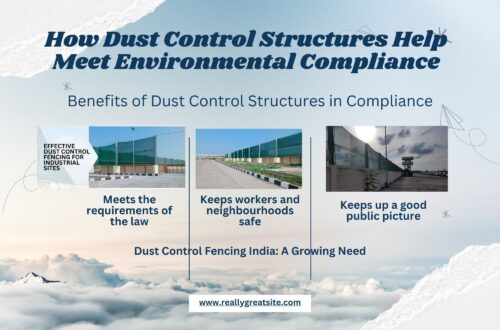
Why Dust Suppression Is Critical for Construction and Infrastructure Sites
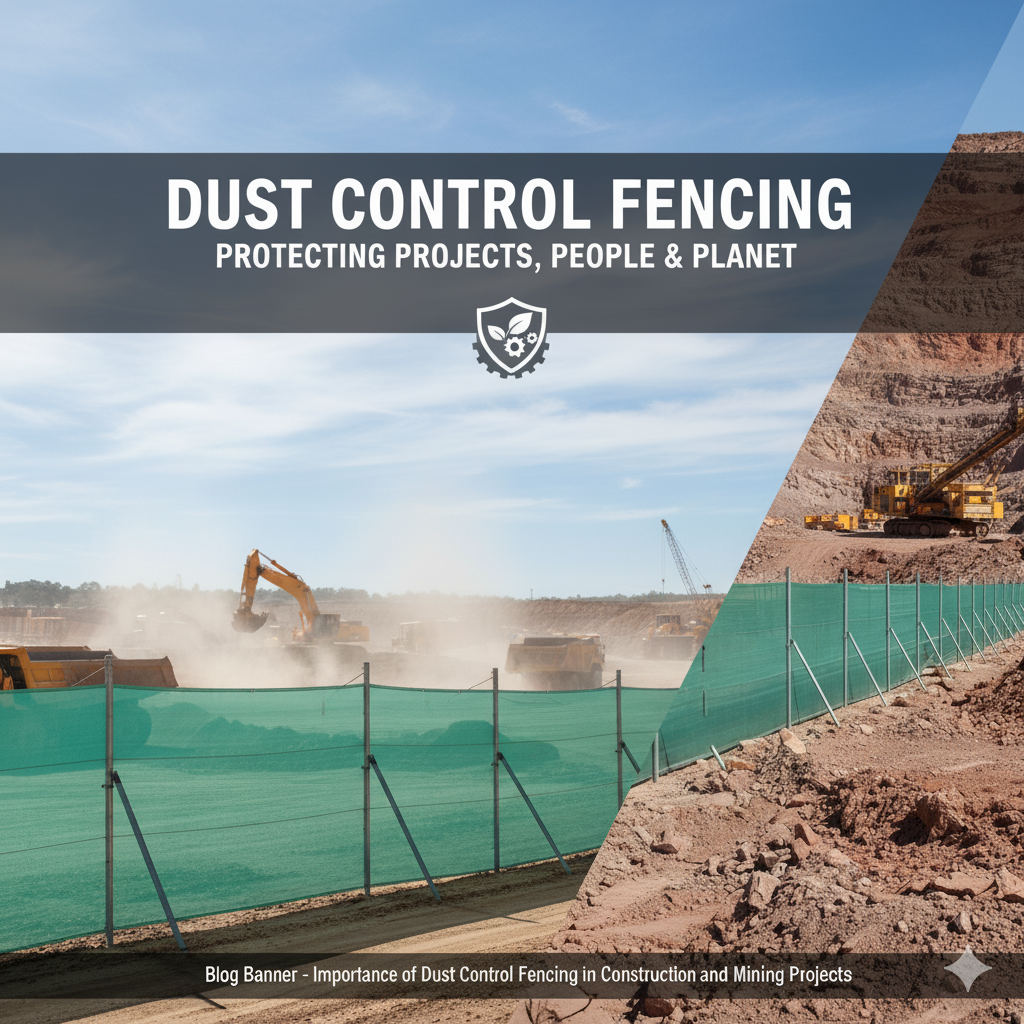
One problem that building and infrastructure projects often face but don’t get enough attention is dust pollution. Fine dust particles from soil, aggregates and building materials can move long distances and have an impact on the health of workers, nearby communities and the quality of the air. Dust that isn’t controlled can also cause projects to take longer than planned, fines from government officials and protests from nearby residents.
That’s why it’s important to keep the dust down. It not only makes the place safer and easier to see, but it also makes sure that environmental rules set by pollution control boards are followed.
Understanding Dust Pollution – Key Risks and Compliance Requirements
Dust pollution comes from digging, moving vehicles, moving materials and tearing things down. When workers and people in the area breathe these particles in, they can hurt their lungs and cause long term health problems. In addition, too much dust can pollute nearby water sources and hurt plants.
To deal with these risks, places need to follow environmental rules set by the federal government and each state. In India, groups like the Central Pollution Control Board (CPCB) tell building and mining businesses how to strictly control dust. Not only is it a good idea to use modern dust suppression methods but it is also the law that projects must be carried out in a way that is sustainable.
What Is a Dust Barrier System
A dust barrier system is a type of fencing or enclosure that is intended to keep dust from leaving a worksite as these walls block the movement of dust particles into the surrounding area like physical shields.
Common Use Cases in Construction, Mining and Infrastructure Projects
A lot of people use dust barrier systems in places where there is a lot of dust, like building zones, mines, road improvement projects and industrial sites. They work especially well for projects that need to follow strict environmental rules and are close to residential or business areas.
Benefits of Using a Dust Barrier System
The best thing about using a dust barrier system is that it can protect you continuously without needing to be maintained every day. It stops dust from spreading, makes the air better and helps businesses follow pollution control rules. These methods can also be used again and again, last a long time and work in all kinds of weather.
Top 3 Ways to Control Dust on Site
Method 1 – Dust Control Fencing (Most Effective Long Term Solution)
How Dust Control Fencing Works
High density fabric or mesh panels are used in dust control fences to block the wind. The fence attracts and holds dust particles, keeping them from moving to other parts of the site.
Why Choose a Dust Control Fencing Manufacturer in Ghaziabad
People know that Ghaziabad has a lot of factories and is good at making good building supplies. Working with a Dust Control Fencing Manufacturer in Ghaziabad guarantees that you can get dust control fencing options that are strong, affordable and effective. These companies often offer custom designs that work well in a variety of site situations.
Why Choose a Dust Control Fencing Manufacturer in Delhi
A Dust Control Fencing Manufacturer in Delhi can help you quickly and with cutting edge technology. Modern dust fencing systems are made by companies in Delhi like Super Span India. These systems are strong, flexible and look good, which makes them perfect for big building projects.
Key Features and Specifications to Look For
When looking for dust control fencing, make sure it has UV resistant fabric, frames that won’t rust, heights that can be changed and easy installation choices. As the project goes on, the best tools also let you add on modules and move things around quickly.
Advantages over Temporary Solutions
Dust control fencing protects materials consistently throughout the lifecycle of a project, unlike short term solutions like spraying or covering them with blankets. It doesn’t need as much upkeep and saves you money in the long run.
Method 2 – Water Sprinkling and Mist Cannons
One of the oldest and easiest ways to keep dust away is to sprinkle water on it. By spraying water on dusty surfaces, it briefly stops the particles from flying across the room.
When Sprinkling Is Effective
Sprinklers work best in open, dry places or when digging is going on and dust needs to be cut down right away. Mist cannons can also be used on big places to quickly cover a lot of ground.
Limitations and Maintenance Needs
Water spraying works for a short time but it has to be done over and over again and uses a lot of water. It may also lead to surface runoff or soil erosion if it is not handled properly and also this makes it less long lasting than a dust control fencing.
Method 3 – Soil Stabilizers and Surface Treatments
Soil stabilisers keep surface particles together, which stops dust from forming. These stabilisers can be chemical ones made from polymers or natural ones made from things like lignin or plant oils.
Chemical Vs Organic Stabilizers
Chemical stabilisers work better for longer but they may not work well in some environments whereas Organic stabilisers are better for the environment and can be used for short term or small jobs.
When to Use Them for Maximum Efficiency
It is best to use soil stabilisers on dirt roads in open fields or material piles where it is hard to water. Based on site traffic and temperature the coating may need to be reapplied on a regular basis.
Comparing the 3 Methods – Which Dust Suppression Technique Suits Your Site
Sprinklers of water and soil stabilisers can help for short periods of time or for small tasks. But a dust barrier system is still the best and most long lasting way to keep dust under control and follow the rules. It protects better, needs less upkeep and is better for the earth.
Why Super Span India Leads as a Dust Control Fencing Manufacturer in Delhi and Ghaziabad
Super Span India is a known Dust Control Fencing Manufacturer in Ghaziabad and Delhi because it uses high quality materials, comes up with new designs and has a track record of success. The company sells gates with strong steel frames, weather resistant fabrics and levels of customisation that work great in any setting.
Their installations have been tried on mining, construction and industrial sites and they always get measurable results in lowering dust levels. Dust control systems from Super Span India are easy to set up, come in modules and meet environmental standards. This makes them a popular choice among modern infrastructure builders.
Case Study – How Super Span India Helped Clients Reduce Dust Pollution by up to 80%
People who lived near a major road building company in North India often complained about the dust. Within two weeks of putting Super Span India’s dust control fencing the amount of dust in the air dropped by 80%. The same system was used on another mining project to make it easier to see on site and cut down on damage to equipment caused by dust. This showed that it works well and reliably in tough conditions.
Conclusion
Controlling dust isn’t just about following the rules but it is also about being responsible to workers and the community. Projects can run more smoothly and sustainably if they use the right method. When it comes to long term effectiveness, dust control fencing from Super Span India is still the best way to keep dust down on building and infrastructure sites.